Choosing the Right Water Filtration System for Your La Mesa Home
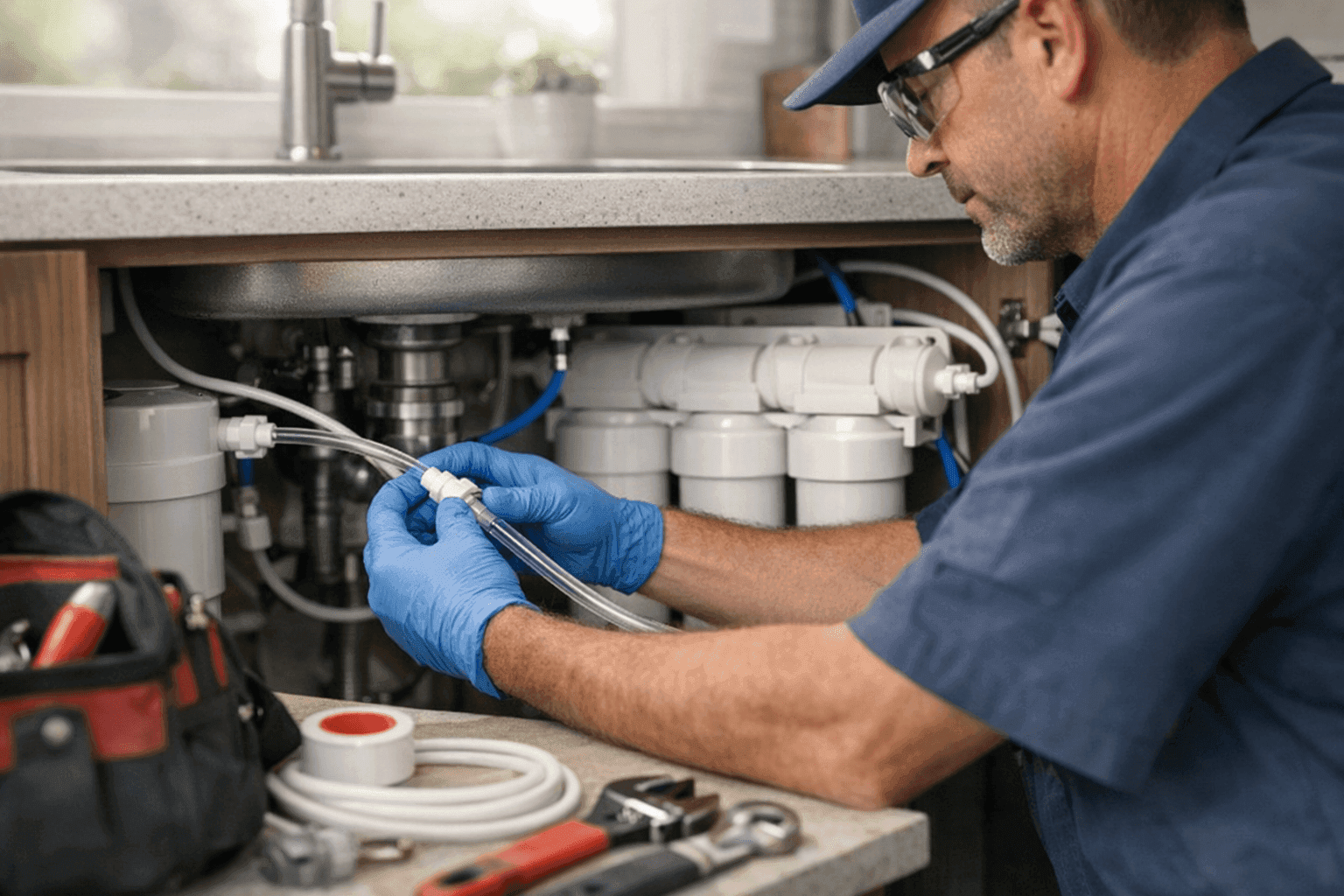
Does your tap water taste a little off? Maybe you’ve spotted hard water stains on your faucets, or you’re tired of hauling bottled water home. In La Mesa, CA, water quality can vary—sometimes by street or season. But every homeowner wants clean, healthy water for their family and their pipes.
Choosing the right water filtration system isn’t just about taste. It’s about protecting your home’s plumbing, extending the life of your appliances, and giving yourself peace of mind. As licensed plumbers serving La Mesa, we’ve seen firsthand what works—and what doesn’t.
Why La Mesa Water Needs a Closer Look
La Mesa’s water supply meets safety standards, but “safe” doesn’t always mean “great-tasting.” Some neighborhoods get their water from local reservoirs, others from imported sources. Minerals, chlorine, and even trace contaminants can sneak in along the way.
Common local issues include:
- Hard Water: Leaves spots on dishes, scale in kettles, and can shorten the life of water heaters.
- Chlorine Taste and Odor: Used for disinfection, but not everyone enjoys the pool-like flavor.
- Sediment and Cloudiness: Especially after storms or main breaks.
- Concerns About Contaminants: Like lead, PFAS, or agricultural runoff.
The City of La Mesa and Helix Water District publish annual water quality reports. These outline mineral content, hardness, and any contaminants detected. Checking your address against these reports is a smart starting point.
Quick Safety Checklist for Water Filtration
Before jumping in, make sure you’re set up for a safe installation:
- Know Your Water Pressure: Excessive pressure can damage filter housings.
- Check for Lead Piping: If your home is older, verify pipe materials before cutting or modifying.
- Locate the Main Shutoff Valve: Always shut off the water before starting any plumbing project.
- Review Local Codes: San Diego County has rules for proper backflow prevention and fixture installation.
- Read Manufacturer Instructions: Every filter system is a bit different—missed steps can mean leaks or poor filtration.
- Protect Against Leaks: Use Teflon tape and tighten fittings, but don’t overdo it.
⚠️ When in doubt, consult a licensed plumber. Water leaks can cause hidden damage fast.
DIY vs. Call a Pro: Which Route Is Right?
Thinking about installing a water filter yourself? It’s tempting—especially with under-sink models that claim “easy install.” But there’s more to it than meets the eye.
DIY might work if:
- You’re handy with basic tools.
- The filter is a simple countertop or faucet style.
- Your plumbing is modern and accessible.
Call a professional plumber when:
- You’re considering a whole-house system.
- Pipe cutting, soldering, or major rerouting is involved.
- You’re mixing plumbing with electrical (like with some reverse osmosis units).
- There are concerns about code compliance or future resale.
A plumber ensures your system meets local codes, doesn’t cause pressure drops, and is leak-free. Plus, we can spot potential problems before they become costly headaches.
Assessing Your Water Quality: The First Step
Before choosing a system, test your water. It’s like reading the label before buying new shoes—you want the right fit.
How to assess:
- Check your annual water quality report from the City of La Mesa or Helix Water District.
- Test at the tap: Home test kits can reveal hardness, chlorine, or pH, but for contaminants or lead, lab testing is more accurate.
- Look and taste: Cloudy, smelly, or off-tasting water usually means something is up.
Knowing what’s in your water helps you pick the right filter. For example, hard water needs a softener or salt-free conditioner, not just a carbon filter.
Comparing Water Filtration Systems for La Mesa Homes
Let’s break down the three most common options:
Whole House Filtration Systems
Best for: Treating all water entering your home—protects pipes, appliances, and every tap.
Pros:
- Reduces sediment, chlorine, and sometimes hardness.
- Extends plumbing and appliance lifespan.
- Consistent water quality throughout your house.
Cons:
- Higher upfront cost.
- May require regular filter changes and professional maintenance.
- Some models need space in your garage or utility area.
Under-Sink Filtration Systems
Best for: Improving drinking and cooking water at a single point, usually the kitchen.
Pros:
- Inexpensive and compact.
- Easy filter changes.
- Doesn’t treat bath or laundry water, so less filter waste.
Cons:
- Only protects one faucet.
- Limited filtration—won’t soften hard water or remove all contaminants.
- Installation can be tricky if space is tight.
Reverse Osmosis (RO) Systems
Best for: Removing a wide range of contaminants—excellent for homes with water taste or odor complaints.
Pros:
- Highly effective at removing salts, metals, and chemicals.
- Great for coffee, tea, and baby formula.
Cons:
- Wastes some water during filtration.
- Slower output—fills a tank, not instant flow.
- Requires more maintenance (sanitizing, membrane replacement).
- May strip minerals, leading to flat-tasting water.
💧 Each system has trade-offs. Think of it like choosing running shoes: the right pair depends on your terrain and needs.
Installation Considerations: Avoiding Pitfalls
It’s easy to underestimate the challenges. Here’s what we see most often:
- Incorrect Sizing: A filter too small for your home means pressure drops and poor filtering.
- Wrong Placement: Installing after the water heater won’t protect your pipes or fixtures.
- Cross-Threaded Fittings: Causes leaks. Always start threads by hand.
- Skipping Backflow Prevention: Required by local plumbing code to prevent contamination.
- Ignoring Drainage Needs: RO systems need a drain hookup—improper installs can cause backflow or flooding.
Our advice? Measure twice, cut once. Double-check codes. And when uncertain, reach out to a pro.
Ongoing Maintenance: Keep Water Clean and Safe
Even the best filter is only as good as its upkeep. Here’s what keeps systems running smoothly:
- Replace Filters on Schedule: Don’t stretch it. Old filters can become clogged or harbor bacteria.
- Sanitize RO Tanks Yearly: Prevents mold or microbial buildup.
- Check for Leaks After Servicing: A slow drip can lead to big water bills and hidden damage.
- Monitor Water Pressure: Sudden drops can signal a worn filter or bigger plumbing issue.
- Review Water Reports Annually: If local water quality changes, your filtration needs might, too.
🛠 Maintenance isn’t just busywork. It’s the difference between crisp, clean water and costly repairs.
Costs & Time Factors
Whole House Systems: Most homeowners budget for equipment and installation. Plan for occasional filter changes and possible media replacement every few years.
Under-Sink Filters: Lower upfront cost. Filters last 6–12 months on average.
Reverse Osmosis: Equipment cost is moderate. Budget for regular filter and membrane changes. Some systems need annual professional servicing.
Time: Professional installation usually takes a few hours. DIY may take a weekend, especially if plumbing modifications are needed.
Remember, paying a little more for quality installation saves you money—and headaches—down the line.
When It’s a Plumbing Emergency
Some water issues can’t wait:
- Major Leaks: If a filter install goes wrong and you spot water pooling, shut off the main and call a plumber.
- Sudden Loss of Water Pressure: Could indicate a blockage or burst pipe.
- Unusual Odors or Colors: Especially if water turns brown, smells like rotten eggs, or tastes metallic.
If you’re not sure, err on the side of caution. Plumbing emergencies don’t get better with time.
FAQ: Water Filtration in La Mesa Homes
Q: Does every home in La Mesa need a water filter?
Not always, but most benefit from some level of filtration. Even “safe” water can have minerals, chlorine, or tastes you’d rather avoid.
Q: Will a whole-house system soften my water?
Not necessarily. Many whole-house filters remove sediment and chlorine only. For hard water, ask about a dedicated softener or conditioner.
Q: How often should I replace my filters?
Check manufacturer guidelines, but most need changing every 6–12 months. Some homes with high sediment may need more frequent changes.
Q: Can I install a filter in a rental?
Under-sink or countertop models are usually allowed, but always check with your landlord first.
Local & Seasonal Considerations for La Mesa
La Mesa’s water supply can shift after heavy rains, droughts, or maintenance on city mains. These seasonal changes might increase sediment or alter taste. Owners of older homes: keep an eye out for galvanized pipes, which can interact with modern filter systems.
If you run a restaurant, medical facility, or commercial kitchen, stricter codes apply. Backflow prevention and regular testing are a must—San Diego County takes public health seriously.
Related Services
Thinking about a new faucet or kitchen upgrade along with your water filter? Learn about our fixture installation and kitchen plumbing solutions designed for La Mesa homes.
Ready for cleaner, better-tasting water? Call La Mesa CA Plumber now — or reach us anytime at (619) 626-2997 .