How to Detect and Prevent Water Leaks in Your La Mesa Home
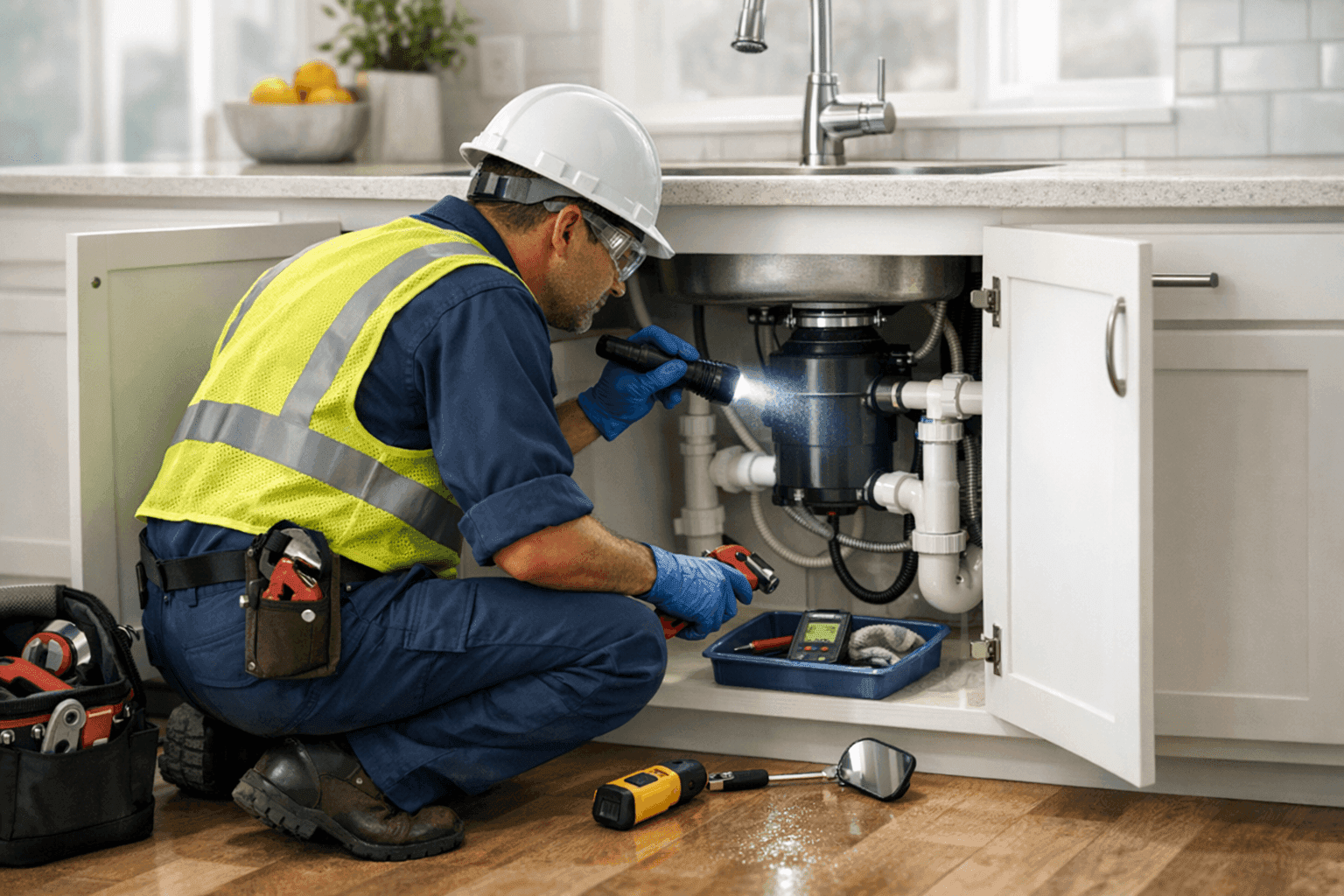
Water leaks are sneaky. They often hide behind walls, under floors, or in the shadows beneath your sinks. One minute, your home feels perfectly dry. The next, you’re staring at a spreading water stain, or your water bill has jumped for no obvious reason.
If you live in La Mesa, CA, you know how quickly a small leak can turn into a major headache. The climate here—hot, dry summers and the occasional heavy rain—puts unique stress on plumbing systems. That’s why it pays to know what to look for, what you can handle yourself, and when to call in a local plumber for backup.
Common Signs of Water Leaks in La Mesa Homes
Imagine your house as a living, breathing system. A leak is like a cough—a warning sign that something’s not right. Here’s what to watch for:
- Water stains on ceilings, walls, or under sinks
- Musty or earthy odors that don’t go away after cleaning
- Sudden spikes in your water bill with no change in use
- Peeling paint or warped flooring
- Mold or mildew in unlikely places
- Sounds of dripping or running water when everything’s off
These symptoms rarely go away on their own. Ignoring them can lead to costly repairs and even structural damage.
Quick Safety Checklist Before You Start 🛑
Before you go hunting for leaks, make sure you’re safe:
- Turn off electricity if you see water near outlets or appliances.
- Wear rubber-soled shoes in wet areas.
- Don’t touch wet pipes or wires with bare hands.
- Know where your main water shutoff valve is—and make sure it works.
- Check for gas smells. If you suspect a gas leak, leave immediately and call for help.
Following these steps keeps you safe and prevents a small mess from becoming a disaster.
How to Check for Hidden Leaks: Reading Your Water Meter
Your water meter is like a detective’s magnifying glass. Here’s how to use it to uncover leaks:
- Turn off all water inside and outside your home.
- Find your water meter—usually in a concrete box near the street.
- Watch the meter dial (look for a small triangle or wheel, often called a leak indicator).
- If the dial moves, even when no water is in use, you likely have a hidden leak.
- Write down the meter number, wait two hours without using any water, and check again. If the number changed, water is escaping somewhere.
This simple test can save you hours of guesswork.
Where to Inspect Seasonally in La Mesa
La Mesa’s weather brings its own plumbing challenges. Each season, check:
- Under sinks and behind toilets for drips
- Basements and crawl spaces for dampness or puddles
- Attic pipes after hot spells or cold snaps
- Outdoor spigots and hoses for leaks after winter
- Irrigation systems—especially after heavy rains or drought
Don’t forget to check your water heater and appliances (fridge, dishwasher, washing machine) for signs of rust, pooling, or corrosion.
DIY Leak Detection vs. When to Call a Plumber
Some leaks are simple to spot and fix. Others are like an iceberg—mostly hidden, and much bigger than they look.
DIY Checks You Can Do
- Tighten loose fittings under sinks.
- Replace worn-out washers in faucets.
- Clean or replace leaky toilet flappers.
- Use food coloring in your toilet tank to spot silent leaks (if color appears in the bowl, you’ve got a leak).
Time to Call a Professional
- If leaks persist after basic fixes
- If you find water under slabs or behind walls
- If you notice mold, musty smells, or large stains
- For main water line, sewer, or gas line issues
- When water pressure drops suddenly, or you lose hot water
A licensed plumber like La Mesa CA Plumber has the tools to spot and repair leaks before they spiral out of control.
What Plumbers Do When They Arrive
A professional brings more than a wrench and a flashlight. When you call for leak detection, here’s what happens:
- Visual inspection of all fixtures, appliances, and exposed pipes
- Use of electronic leak detectors, acoustic sensors, or thermal imaging to find hidden leaks
- Pressure tests to check for pipe weaknesses
- Detailed assessment and clear explanation of your options
Plumbers also follow California Plumbing Code safety guidelines, ensuring every solution is up to standard.
Prevention & Maintenance: Keeping Leaks at Bay All Year
An ounce of prevention is worth a gallon of cleanup. Here’s how to keep leaks from ruining your day:
- Inspect visible pipes every few months
- Install water alarms under sinks and near your water heater
- Flush your water heater yearly to prevent corrosion
- Replace hoses on appliances every 5–7 years
- Insulate exposed pipes (especially before winter)
- Schedule preventative maintenance with a licensed plumber
Staying ahead of leaks means fewer surprises and less stress.
Costs & Time Factors: What to Expect
Leaks come in all shapes and sizes. So do repair costs and timelines.
- Minor fixes (like a dripping faucet) can often be done in under an hour.
- Hidden leaks behind walls or under slabs take more time—sometimes several hours or longer.
- Parts (washers, valves, pipe sections) add to the bill, but typically aren’t major expenses.
- Water damage repair (if needed) can be much more costly than fixing the leak itself.
Catching leaks early keeps repairs simple—and affordable.
When Is a Leak an Emergency?
Some leaks can wait a day or two. Others can’t.
Call immediately if:
- Water is flowing uncontrollably and you can’t stop it
- There’s a risk of electrical shock
- You see sudden flooding or hear gushing inside walls
- You notice sewage smells or backed-up drains
Don’t take chances. Fast action prevents structural damage and health risks.
FAQ: Water Leaks in La Mesa Homes
How do I find my main water shutoff?
Look for a round or lever-style valve where your water line enters the house—often in the garage, basement, or an outside wall.
Does homeowner’s insurance cover water leaks?
It may cover sudden, accidental leaks (like a burst pipe), but often excludes long-term damage from neglected maintenance. Check your policy.
Are slab leaks common in La Mesa?
Yes, especially in older homes or those with shifting soil. Catching them early is key to avoiding major repairs.
What’s the first thing I should do if I see water pooling?
Shut off the main water supply, move valuables, and call a plumber.
Local and Seasonal Considerations in La Mesa
La Mesa’s climate isn’t always kind to pipes. Prolonged drought can dry out soil, causing it to shrink and put stress on underground pipes. Heavy rains can saturate the ground, leading to shifting or cracks.
Seasonal tips:
- After a dry summer: Check for new cracks in foundation or patio—these could signal shifting.
- After heavy rain: Inspect crawl spaces and basements for seepage.
- During cold snaps: Insulate pipes to prevent freezing, especially in rarely heated rooms.
Regular checks help your plumbing system weather any season.
Related Services for Leak Issues
If you’re facing persistent leaks or want to prevent future headaches, consider these services:
- Leak Detection — for advanced diagnostic and hidden leak solutions
- Leak Repair — professional fixes for stubborn leaks
For ongoing peace of mind, preventative maintenance is a smart investment.
No one wants to wake up to a soggy surprise. Take these steps, and you’ll keep your La Mesa home dry, safe, and worry-free. If a leak has you stumped—or you just want a second set of eyes—
Call La Mesa CA Plumber now — or reach us anytime at (619) 626-2997 .